

Understanding the psychological triggers that influence casino gambling behavior
The Role of Luck in Gambling Psychology
Luck plays a central role in the psychology of gambling, deeply influencing players’ decisions and behaviors. The belief in luck can elevate the thrill of participating in games of chance, creating a strong emotional response. For those interested in exploring opportunities, the rapid GalacticBets casino can be an enticing option. Gamblers often develop personal narratives around their experiences, attributing wins to their ‘lucky’ actions or rituals, such as wearing specific clothing or using certain items, which can enhance their connection to the game.
This psychological attachment to luck can create a cycle of behavior where players feel compelled to keep gambling in hopes of recapturing their luck. As they chase these fleeting sensations, they may overlook the inherent risks associated with gambling. This often leads to a distorted perception of how probability operates, where they might believe that past outcomes can influence future results, known as the gambler’s fallacy.
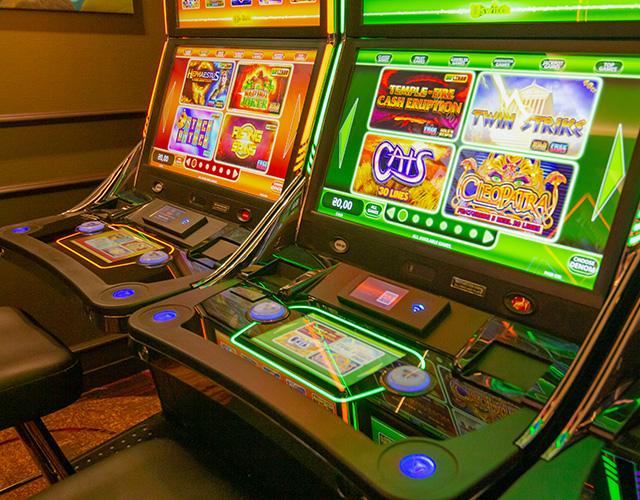
The allure of luck can also manifest in the design of casino environments, which are intentionally crafted to enhance excitement and engagement. Bright lights, immersive sounds, and celebratory atmospheres reinforce feelings of euphoria during wins, making the experience more addictive. This integration of psychological triggers ensures that players remain captivated, often leading to prolonged gambling sessions fueled by the hope of a lucky break.
The Impact of Skill Perception on Gambling Choices
While luck is a significant aspect of gambling, the perception of skill also plays a pivotal role in influencing player behavior. Many casino games involve a combination of chance and skill, leading players to believe that their decisions can affect outcomes. Games such as poker or blackjack require strategic thinking and knowledge, which can foster a sense of control among players.
This perceived control can enhance the gambling experience, making it more enjoyable and enticing. Players may invest time in honing their skills, believing that this investment will yield a competitive edge. The psychological satisfaction derived from mastering a skill can create a deeper emotional attachment to these games, fostering a cycle of increased participation as players seek to validate their abilities and strategies.
Moreover, when players experience success due to their skills, it reinforces their self-esteem and encourages continued engagement. However, this can also lead to overconfidence, where individuals misjudge their abilities and take unnecessary risks. Ultimately, the interplay between skill perception and gambling choices creates a complex dynamic that influences player behavior and decision-making processes.
The Role of Emotional States in Gambling Behavior
Emotions significantly impact gambling behavior, acting as powerful psychological triggers that can either promote or inhibit participation. Players often gamble to escape negative emotions such as stress, anxiety, or depression, seeking the thrill of winning as a temporary relief from their daily struggles. This emotional coping mechanism can lead to increased gambling as individuals chase the euphoric highs that come with potential wins.
Conversely, positive emotions can also drive gambling behavior. Excitement and joy can amplify the pleasure derived from gambling, creating an enticing loop of engagement. This emotional connection to gambling can be particularly potent, as players often associate their gaming experiences with feelings of joy and community, especially in social gambling environments.
However, an imbalance in emotional states can lead to problematic gambling behavior. When gambling becomes a primary source of emotional relief, it can develop into addiction, with individuals increasingly relying on it to manage their feelings. Understanding these emotional triggers is vital for developing healthy gambling habits and recognizing when gambling shifts from enjoyment to a harmful compulsion.
The Influence of Social Factors on Gambling Decisions
Social factors play a crucial role in shaping gambling behavior, influencing decisions and experiences in a myriad of ways. Peer pressure and social norms can significantly impact the likelihood of engaging in gambling activities. When individuals see their friends or family members participating in gambling, they may feel a heightened sense of social acceptance, encouraging them to join in as well.
Additionally, the shared experience of gambling can foster community and connection among players. Casinos often promote group activities, such as tournaments or game nights, which create an environment where social interaction is encouraged. This social aspect can enhance the enjoyment of gambling, further motivating individuals to participate, driven by a desire for connection and shared experiences.
Moreover, social media and online platforms have transformed how gambling is perceived and experienced. The rise of Galactic Bets online casino allows players to connect with others globally, sharing experiences and strategies, which can influence their gambling behavior. As individuals engage with online communities, they may feel compelled to partake more frequently, often influenced by the successes and narratives shared by others in these digital spaces.

The Importance of Responsible Gambling Awareness
As the understanding of psychological triggers in gambling behavior grows, the importance of promoting responsible gambling practices becomes paramount. Awareness and education on the potential risks associated with gambling can help players make informed choices. Many casinos and gaming platforms now prioritize responsible gambling initiatives, providing resources and support for individuals who may be struggling with their gambling habits.
Responsible gambling programs often include self-exclusion options, limit-setting tools, and access to counseling services. These measures empower players to take control of their gambling behavior, ensuring that the activity remains a source of entertainment rather than a harmful addiction. By fostering a culture of responsibility, the industry aims to mitigate the adverse effects of gambling and promote healthier engagement.
Ultimately, understanding the psychological triggers that influence gambling behavior is essential for both players and operators alike. By recognizing the interplay of luck, skill, emotion, and social factors, individuals can cultivate a more balanced relationship with gambling. Through awareness and responsible practices, the gambling experience can be enjoyable while minimizing the risks associated with excessive behavior.
